
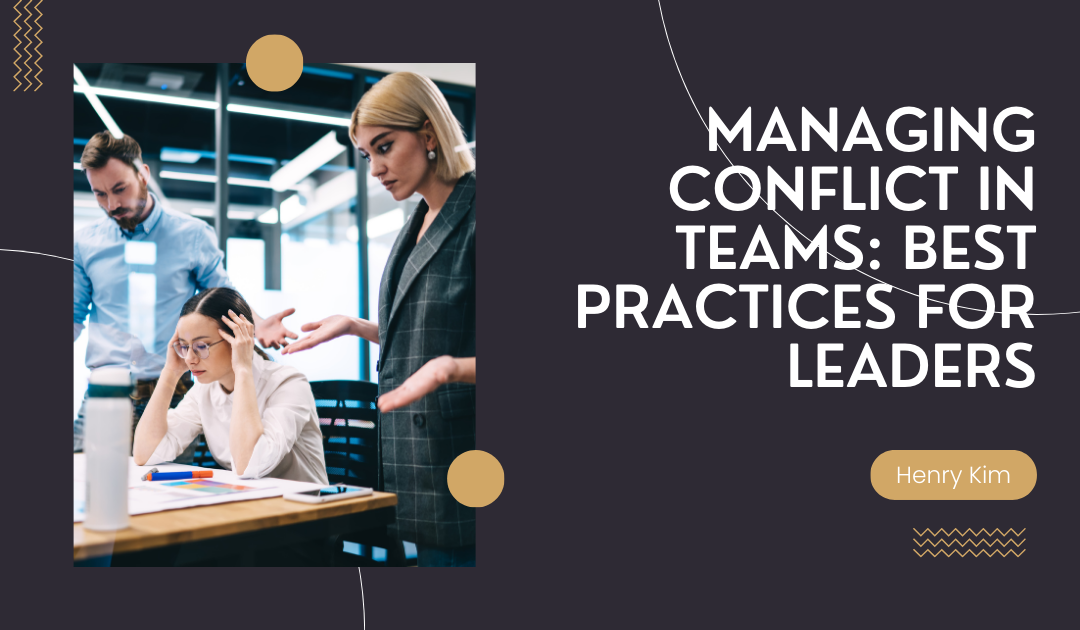
Conflict is an inevitable part of team dynamics. With diverse personalities, differing perspectives, and varying work styles, disagreements are bound to arise in any group setting. While conflict can be uncomfortable, it doesn’t necessarily have to be destructive. In fact, when managed well, conflict can lead to innovation, better decision-making, and stronger relationships within the team. The key to harnessing the potential of conflict lies in the hands of the leader. Leaders who handle conflict effectively can transform potentially disruptive situations into opportunities for growth and improvement.
The first step in managing conflict is recognizing its early signs. Sometimes, tension builds up slowly, and minor disagreements can snowball into larger issues. As a leader, being observant and attuned to team dynamics is essential. Pay attention to non-verbal cues, changes in behavior, and the tone of communication among team members. If you notice signs of tension or unease, address the issue before it escalates. Early intervention can prevent minor disagreements from developing into full-blown conflicts that disrupt the team’s cohesion and productivity.
Once conflict is identified, the next step is to approach it with a neutral and open mindset. Leaders must set aside their personal biases and emotions to facilitate a fair and unbiased discussion. Being impartial allows you to understand both sides of the issue and demonstrate to the team that you value all perspectives. By creating a safe space for open dialogue, leaders show their commitment to resolving the issue constructively, rather than suppressing it or letting it fester.
A key component of conflict resolution is active listening. When team members are engaged in conflict, they often feel unheard or misunderstood, which can intensify their emotions. Leaders can mitigate this by listening attentively, asking clarifying questions, and acknowledging the concerns of all parties involved. Active listening helps to build trust and rapport, allowing team members to feel validated and respected. By truly understanding the root cause of the conflict, leaders can guide the team toward finding a solution that addresses everyone’s concerns.
Encouraging open communication is another vital aspect of conflict resolution. Often, conflicts arise from miscommunication or a lack of transparency. Encouraging team members to express their concerns and opinions openly can lead to a better understanding of the issue at hand. As a leader, it’s important to foster an environment where communication flows freely, without fear of judgment or retaliation. When team members feel comfortable expressing their thoughts, conflicts can be resolved more efficiently, and the team as a whole can learn from the experience.
In addition to promoting communication, leaders must help team members stay focused on the issue at hand rather than allowing the conversation to devolve into personal attacks or irrelevant matters. Redirecting the conversation back to the core issue and reminding everyone of the team’s shared goals can help prevent conflicts from becoming more emotional or contentious. A productive conflict resolution discussion should remain solution-focused, with the goal of finding common ground and reaching a resolution that benefits the team.
Collaboration plays a critical role in resolving conflicts. Leaders should encourage team members to work together to identify potential solutions. This collaborative approach not only resolves the immediate conflict but also strengthens the team’s ability to handle future disagreements. By involving the team in the resolution process, leaders foster a sense of ownership and accountability. It also helps create an atmosphere of mutual respect, where everyone’s input is valued.
One of the most effective ways to prevent conflict from arising in the first place is to establish clear expectations for behavior and communication within the team. Setting ground rules for how team members should interact with one another, how decisions will be made, and how disagreements will be handled can provide a framework for conflict resolution. When everyone is on the same page from the beginning, there is less chance of misunderstandings that could lead to conflict later on. As a leader, reinforcing these expectations regularly helps ensure that everyone maintains a respectful and collaborative attitude.
It’s also important for leaders to model conflict resolution behavior themselves. Leaders who handle conflicts calmly, respectfully, and effectively set the standard for how team members should approach disagreements. Demonstrating emotional regulation and problem-solving skills can influence the team’s behavior and create a culture where conflict is viewed as an opportunity for growth rather than a threat. Leaders who model these behaviors also teach their team valuable skills that can be applied in both professional and personal contexts.
Conflict, when managed effectively, can lead to improved team performance and stronger relationships among team members. By addressing issues early, fostering open communication, and encouraging collaboration, leaders can turn challenging situations into opportunities for growth. Creating a culture that embraces constructive conflict resolution not only strengthens the team’s ability to navigate future challenges but also fosters a sense of trust and camaraderie that is essential for long-term success.