
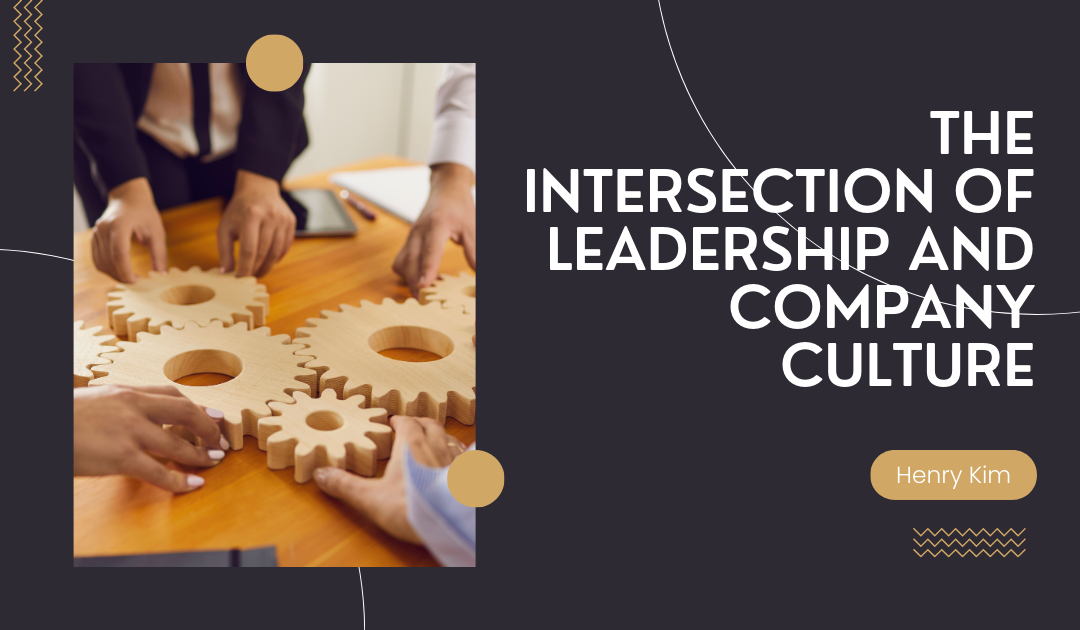
The relationship between leadership and company culture is undeniable, as both have a profound impact on an organization’s success. Company culture is the set of shared values, beliefs, and practices that shape the way employees interact with one another and with the organization as a whole. Leadership, on the other hand, refers to the actions, behaviors, and decisions made by those in positions of authority within the company. When these two elements align, they create an environment where employees are motivated, engaged, and empowered to perform at their best. However, when leadership and culture are misaligned, it can lead to confusion, disengagement, and high turnover.
One of the primary ways in which leadership influences company culture is through setting the tone for organizational values and behaviors. Leaders are not just decision-makers; they are role models. The behaviors and values that leaders demonstrate in their day-to-day actions set the standard for what is acceptable within the organization. For example, if a leader prioritizes innovation and open communication, these values will likely permeate throughout the organization, encouraging employees to think creatively and share ideas freely. Conversely, if a leader displays a lack of transparency or prioritizes short-term gains over long-term sustainability, this can lead to a toxic culture of mistrust and fear.
Effective leaders understand the power of leading by example. Their actions speak louder than words, and their ability to embody the company’s values influences how employees approach their work and interact with one another. Leaders who consistently demonstrate integrity, accountability, and respect for others foster a culture where these values are upheld by all employees. A company culture built on trust, collaboration, and ethical behavior promotes a positive work environment where employees feel valued and motivated to contribute their best efforts.
Another critical aspect of the intersection between leadership and company culture is the way leaders shape the organizational environment. Leaders make decisions that impact everything from the company’s policies and procedures to the physical workspace and employee benefits. These decisions play a significant role in defining the company culture. For instance, leaders who prioritize employee well-being by offering flexible work schedules or creating a comfortable and inclusive office environment demonstrate that they care about their employees’ happiness and work-life balance. This, in turn, fosters a culture where employees feel supported and valued, leading to increased job satisfaction and retention.
Communication is another key factor in the relationship between leadership and company culture. Leaders who are transparent, approachable, and communicative encourage a culture of openness and collaboration. When leaders share information about the company’s goals, challenges, and successes, they create a sense of ownership among employees, making them feel more connected to the organization’s mission. Open communication also helps to break down silos and promote cross-functional collaboration, creating a culture where team members from different departments work together toward common objectives.
However, leadership’s influence on company culture isn’t always straightforward. In some cases, leaders may have a vision for the company culture that does not align with the existing culture. When this happens, leaders must be proactive in making changes that align the culture with the organization’s values and goals. This can involve difficult conversations, reevaluating policies, and addressing behaviors that are detrimental to the desired culture. Leaders who are committed to shaping a positive company culture must be willing to take bold steps to make these changes, even if it means confronting resistance or challenging the status quo.
In a rapidly changing business environment, the relationship between leadership and company culture is more important than ever. As companies grow and adapt to new technologies, market conditions, and employee expectations, leaders must continuously assess and evolve the company culture to ensure it remains aligned with the organization’s goals and values. A strong, positive culture can be a competitive advantage, helping to attract top talent, foster innovation, and improve overall performance. Conversely, a weak or toxic culture can undermine an organization’s efforts and lead to disengagement, burnout, and high turnover.
In conclusion, leadership and company culture are inextricably linked. Leaders shape the culture through their actions, decisions, and communication, while the culture influences the way employees behave and perform. By fostering a positive and aligned company culture, leaders can create an environment where employees are motivated, engaged, and empowered to achieve their best work. Leadership is the driving force behind a thriving company culture, and when both elements work in harmony, the organization can achieve lasting success.